Written by the Starline Team | Last updated: May 21, 2026
The best way to plan Seattle business event transportation is to treat it like part of the event agenda, not a separate ride request.
Before the event day, map how people need to move: who needs to be picked up, where they are going, what time they need to arrive, which entrance matters, whether they are traveling together or separately, and how the return ride will work.
That sounds simple. It is also where many event plans get thin.
The meeting room is reserved. The hotel block is set. The dinner reservation is confirmed. The agenda looks sharp. Then the day arrives, and the planner is suddenly fielding the questions no one settled ahead of time.
- Where should the executive meet the car?
- Who has the chauffeur’s contact information?
- Are guests riding together or splitting into different vehicles?
- Which entrance should the driver use?
- What happens after dinner?
- Who is handling airport arrivals?
For an office manager, executive assistant, meeting planner, or internal event coordinator, those are not minor details. They are the moments where people notice whether the day is actually handled.
By the end of this post, you’ll know how to turn the event schedule into a clearer transportation plan, decide which rides need more coordination, and send Starline the right details before the day is already moving.
Start with the parts of the schedule that cannot move
The first question should not be, “What vehicle do we need?”
A better question to start with is, “What time cannot be missed?”
For a business event, that may be the executive arrival, the board meeting, the client presentation, the dinner reservation, the reception, or the next-morning airport departure.
Those fixed points should shape the transportation plan.
Before choosing a vehicle, look at the schedule and work backward:
- What time does each guest or group need to arrive?
- Where are they starting from?
- How much time is needed for loading, walking, or gathering the group?
- Is there luggage, event material, or presentation equipment?
- Does the building have more than one entrance?
- Does the same vehicle need to wait, return later, or move on to another pickup?
The vehicle matters, but the schedule tells you what the ride actually needs to do.
Turn the agenda into a ride list
Once the schedule is clear, build the ride list.
A guest list tells you who is attending. A ride list tells you how people need to move.
For a Seattle business event, that may include:
- Airport to hotel
- Hotel to meeting venue
- Office to dinner
- Dinner to hotel
- Convention center to airport
- VIP pickup separate from the group
- Next-morning departures
- Team movement between meetings or venues
List each movement separately. For each one, note the pickup point, drop-off point, passenger count, timing, and whether the ride is for an executive, client, speaker, team, or general guest group.
This is where the plan starts to become useful. Not every passenger needs the same setup. A visiting executive may need a quiet direct transfer. A team may need to stay together. A speaker may need to leave before the reception ends. A client dinner may need a return plan that can be flexible if the evening runs long.
Once you can see each ride clearly, transportation stops feeling like a single vague task and starts to become part of the event flow. You can see who should travel together, who needs a separate schedule, where timing could get tight, and which return rides need to be planned before the day begins.
Decide which rides are simple and which need coordination
Some business rides are straightforward.
A one-way sedan from a hotel to an office may only need the basics. A single airport pickup may be simple if the traveler, flight number, pickup point, and destination are clear.
The plan becomes more involved when the day includes:
- Several passengers
- Different arrival times
- Multiple hotels
- Airport pickups
- VIPs or clients
- Event materials or luggage
- Dinner transfers
- Uncertain end times
- Separate return needs
- People who should not be left to figure it out themselves
That distinction matters because it changes the next step.
For a straight point-to-point ride, you may be ready to reserve online with Starline. For group transportation, multi-stop schedules, event timing, or vehicle-fit questions, it is usually better to request a personalized quote from Starline so the details can be reviewed before the ride is confirmed.
The quote request is not an extra complication. It is where the transportation plan is reviewed before the event begins.
Match the vehicle to what the ride needs to do
Once you know which rides require more coordination, choosing vehicles becomes more practical.
The question is not only, “How many people fit?”
The better question is, “What does this ride need to do?”
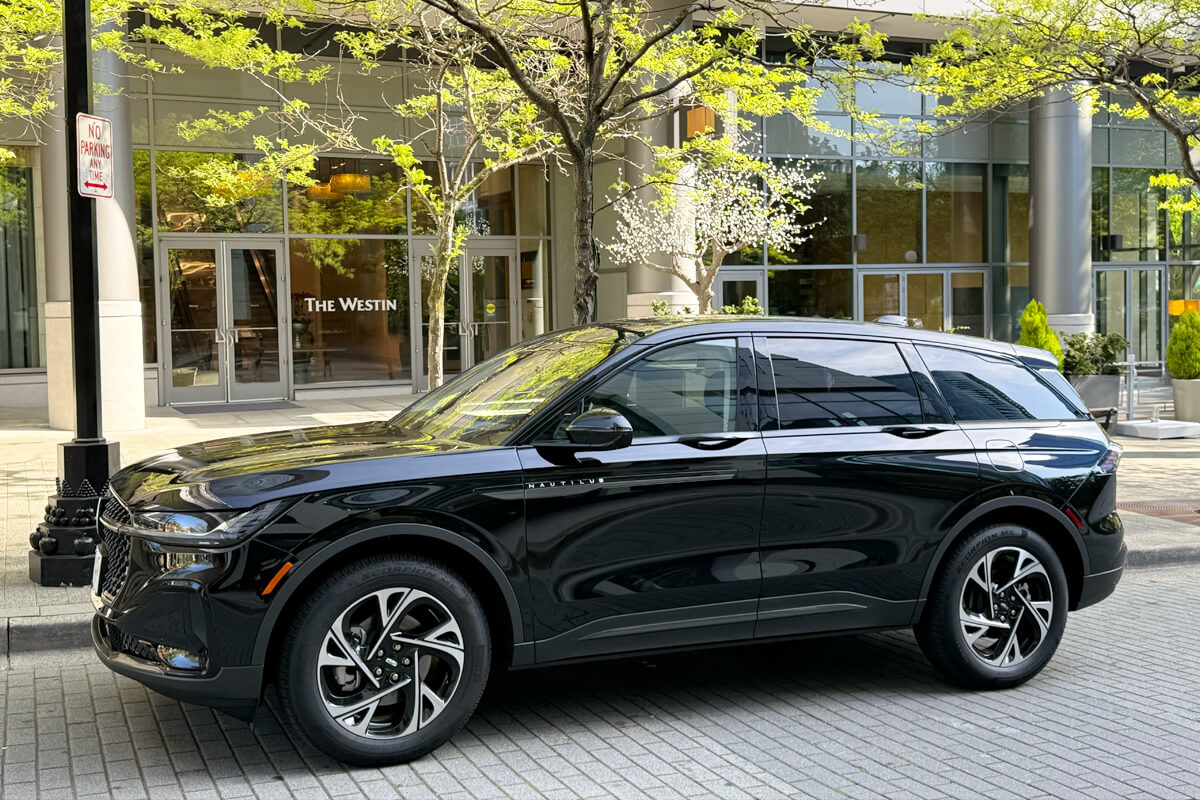
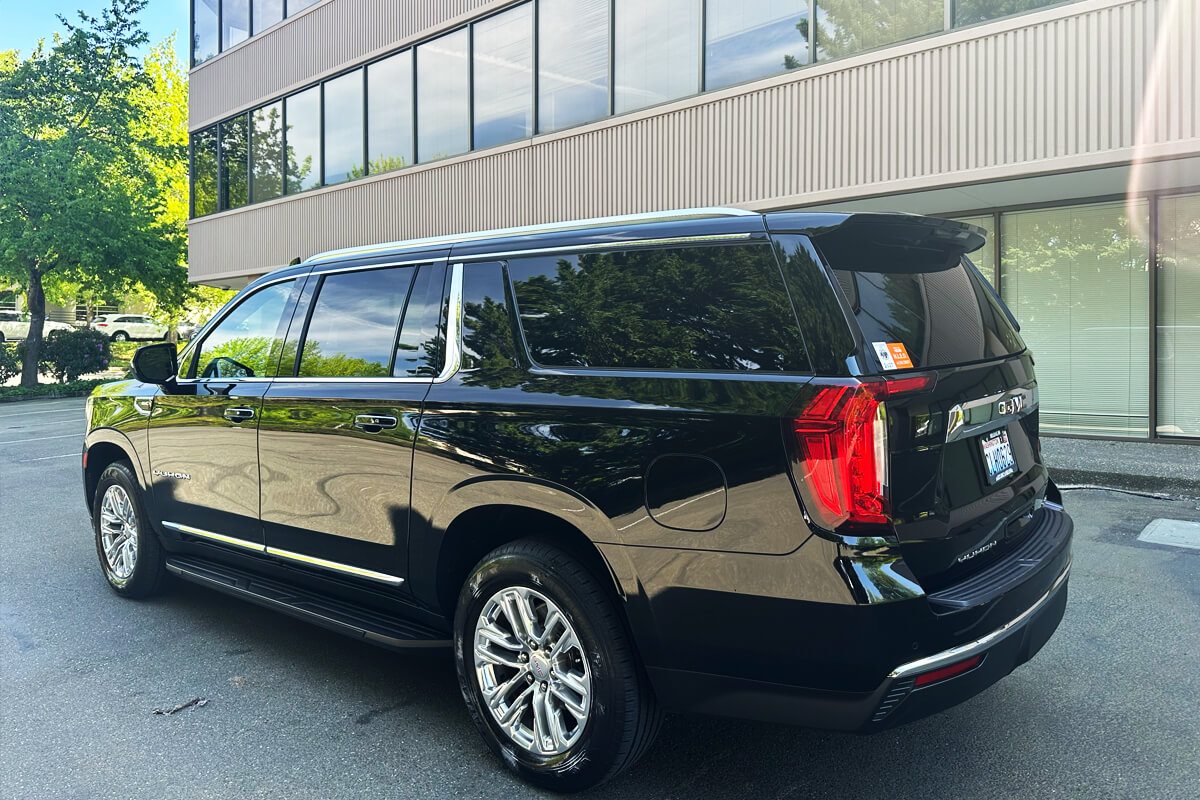
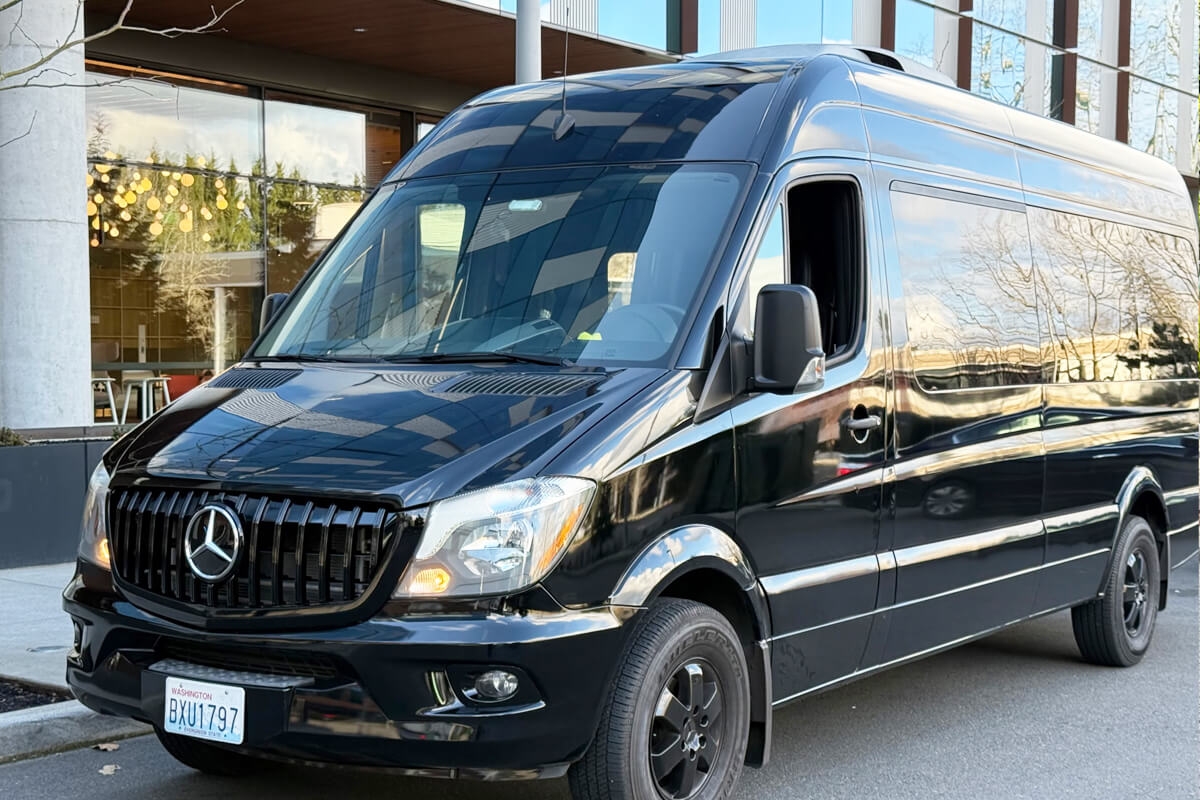
A sedan or SUV may be the right fit for an executive or VIP. A larger SUV may work better for a small group with luggage. A Sprinter may make sense when a team needs to stay together. Multiple vehicles may be smarter when people are leaving from different hotels, arriving on different flights, or splitting up after dinner.
Use this as a starting point:
| Situation | Better planning direction |
|---|---|
| One executive or VIP | Sedan or SUV |
| Small group with luggage | SUV |
| Team moving together | Sprinter Van |
| Different schedules or hotels | Multiple vehicles |
| Multi-stop business day | Hourly or quote-based plan |
| Dinner with uncertain end time | Wait-and-return or hourly plan |
| Airport arrivals plus meeting transfers | Plan each leg separately |
A vehicle can look right by passenger count and still be wrong for the day.
If the group has luggage, presentation materials, mobility needs, multiple stops, or different return times, share those details when requesting a quote from Starline. They can change which setup makes the most sense.
Confirm the exact pickup point
Even a well-planned ride can get messy at the pickup point.
For business events, “the hotel,” “the convention center,” or “downtown” is not always specific enough.
The Seattle Convention Center is a useful example. Its Arch building is at 705 Pike Street, with private and rideshare drop-off at 725 Pike. Summit is at 900 Pine Street, with drop-off on 9th Avenue between Pine Street and Olive Way. Those details may seem small on paper, but they matter when a guest is waiting outside and the driver needs the correct curb location.
Before the event, confirm:
- Exact address
- Entrance or lobby
- Curbside meeting point
- Passenger name
- Passenger mobile number
- Planner contact
- Flight number if it is an airport pickup
- Whether the traveler or planner should receive updates
The goal is not to over-plan. The goal is to remove the preventable confusion before the chauffeur, guest, and planner are all trying to solve the same question at once.
Plan the return before the event begins
Arrival gets attention because it starts the event. The return ride is easier to put off. That is usually where the confusion starts.
After a dinner, reception, meeting, or offsite, people are tired. Some guests want to leave early. Others keep talking. An executive may need to go back to the hotel. A speaker may need to go straight to the airport. A few people may assume they can call a rideshare when they are ready.
That may be fine for general attendees. It is not a complete plan for hosted guests, clients, or executives.
Before the event begins, decide what the return should look like:
- Scheduled pickup
- Wait-and-return
- Hourly service
- Separate VIP vehicle
- Multiple return vehicles
- Hotel drop-offs
- Airport drop-offs
- Flexible end-of-event pickup
The return ride deserves its own line item. It should not become the first transportation decision people make after the event ends.
Decide who can self-manage and who should have a plan
Not every attendee needs a private ride.
For local employees or guests who know Seattle well, self-managed transportation may be perfectly fine. The city has plenty of options, including Link light rail, parking, taxis, rideshare, and transit. But that is not the same as saying every guest should be left to figure it out.
The real planning question is: who needs the ride to feel handled?
For executives, clients, speakers, candidates, board members, and hosted guests, transportation is part of the company’s hospitality. They should not have to sort through parking instructions, app pickups, venue entrances, or return plans on their own.
That is the line to draw early: let general attendees use reasonable self-managed options when appropriate, but create a clear Starline transportation plan for the people whose experience reflects directly on the company.
What to send Starline when requesting a quote
Once the ride list is built, the quote request should be simple.
Send the information that helps Starline understand the day.
| Detail | Why it matters |
|---|---|
| Event date | Confirms the planning window |
| Event schedule | Shows the key movement times |
| Pickup and drop-off locations | Helps identify routing and curb details |
| Passenger count by ride | Helps match the vehicle setup |
| Traveler names and mobile numbers | Supports clearer pickup communication |
| Flight numbers | Helps with airport arrivals |
| Luggage or materials | Affects vehicle fit |
| VIP notes | Helps match the service to the passenger |
| Return plan | Prevents end-of-event confusion |
| Planner contact | Gives the team one clear point of contact |
A good quote request should not read like, “Need car service for event.”
It should read like a short version of the event movement plan.
That gives Starline enough context to recommend the right setup rather than basing it on passenger count alone.
How Starline reviews the transportation plan
When you send Starline the ride list, the goal is not just to assign a vehicle. The goal is to understand how the day should unfold.
For a business event, Starline can review the schedule, pickup points, passenger count, luggage or event materials, return needs, and any VIP details as one connected plan. That helps determine whether hourly service makes more sense, whether one vehicle can handle the movement, or whether separate vehicles would keep the day clearer.
This is the part that matters before the chauffeur arrives.
The pickup details can be confirmed. The vehicle can be matched to the actual trip. The chauffeur and dispatch team can prepare with the right timing, passenger information, and meeting-point details. If the schedule changes, there is a clearer plan to adjust from.
That is what the planner is really trying to avoid: not just a missing car, but a day full of small transportation questions that should have been settled earlier.
- No guest wondering where to go.
- No executive waiting at the wrong entrance.
- No planner trying to solve the return ride from the dinner table.
- No last-minute scramble because the timing, passenger list, or pickup point was unclear.
Just a transportation plan that has been thought through before the event is already in motion.
Learn more about our corporate transportation →
FAQs
When should I request a quote from Starline for Seattle business event transportation?
Request a quote once you know the event date, general schedule, pickup points, and approximate passenger count. You do not need every final detail to begin. A rough agenda is usually enough to start shaping the transportation plan.
What details should I have before requesting a quote?
Start with the event date, pickup and drop-off locations, passenger count, timing, airport details if relevant, luggage or materials, and the return plan. For executives, clients, or guests, include traveler names and mobile numbers when available.
Is one vehicle or multiple vehicles better?
Use one vehicle when people are moving together on the same schedule. Use multiple vehicles when passengers have different arrival times, hotels, meetings, or return needs. If you are not sure, include the full ride list when requesting a quote from Starline.
Should everyone use private transportation?
Not always. Some attendees can self-manage with parking, rideshare, taxi, or transit. Private transportation is usually more important for executives, clients, speakers, candidates, hosted guests, and groups where timing or communication needs to be handled clearly.
Can Starline help with airport pickups for visiting executives or clients?
Yes. For airport pickups, share the traveler’s name, mobile number, flight number, luggage needs, pickup details, and final destination so the ride can be coordinated clearly.
Plan the movement before the event starts
Seattle business event transportation is easiest to manage before the day begins.
Start with the schedule. Build the ride list. Decide who needs a coordinated pickup. Match the vehicle to the job. Confirm the exact meeting points. Plan the return before the event begins.
If your event includes executives, clients, airport arrivals, hotel pickups, multiple stops, group movement, or a return plan that needs review, request a personalized quote from Starline. Send the date, schedule, pickup points, passenger count, luggage or materials, and return needs, and Starline can help match the transportation setup to the actual day.