Written by Starline Team | Published on April 15, 2026
If you are heading to a Seattle cruise and trying to figure out how much transfer time you really need, do not just count the drive. The ride itself matters, but so do baggage claim, hotel loading, pier traffic, elevator delays, and whether your ship is sailing from Pier 66 or Pier 91.
That is where people usually under-plan. The transfer itself may be straightforward. The handoff around luggage, curb access, and cruise-day timing is what changes the day.
Quick answer
For most travelers, it helps to think in stages rather than just minutes on the road.
If you are going straight from SeaTac to the cruise terminal, a practical planning target is often about 90 minutes to 2 hours from landing to terminal arrival for a domestic flight with normal baggage flow. If you are already at a hotel, many Seattle hotel-to-pier transfers are simpler, but it is still smart to allow a buffer. After the cruise, the drive back to SeaTac is only part of the plan. Getting off the ship and reaching the pickup zone can take just as much attention.
That does not mean every transfer takes that long. It means those buffers are more realistic for actual travel days.
| Trip pattern | Practical planning range | What usually changes it |
|---|---|---|
| SeaTac to Pier 66 or Pier 91 after landing | Usually plan 90 minutes to 2 hours from landing to terminal arrival | Checked bags, international arrival, mobility needs, cruise-day traffic, and how quickly your group gets to the curb |
| Seattle hotel to Pier 66 or Pier 91 | Usually plan 30 to 45 minutes from hotel curb to terminal for many downtown departures | Bag loading, elevator delays, hotel valet lines, and heavier waterfront traffic |
| Bellevue or Eastside hotel to the cruise terminal | Usually plan 45 to 75 minutes | Bridge and freeway traffic, luggage volume, and weekend or midday congestion |
| Pier 66 or Pier 91 back to SeaTac after the cruise | Usually plan around 30 to 45 minutes once you are in the vehicle, plus time to disembark and reach pickup | Ship clearance, luggage claim, elevator lines, and curb congestion at the terminal |
Why the timing is not just about the drive
The drive from SeaTac to the cruise terminal is only one part of the transfer. What often matters more is everything that happens before the vehicle even leaves the curb.
At the airport, that can mean waiting to deplane, walking to baggage claim, collecting checked bags, helping kids or older travelers, and getting the group to the pickup point.
At the hotel, the slow part is often loading luggage, waiting on elevators, checking out, and getting everyone downstairs at the same time.
At the pier, the delay is usually not the route back to the airport. It is getting off the ship, gathering bags, and working through the pickup area while many other passengers are doing the same.
That is why a 30- to 40-minute drive does not automatically mean a 30- to 40-minute plan.
What changes the timing most between Pier 66 and Pier 91
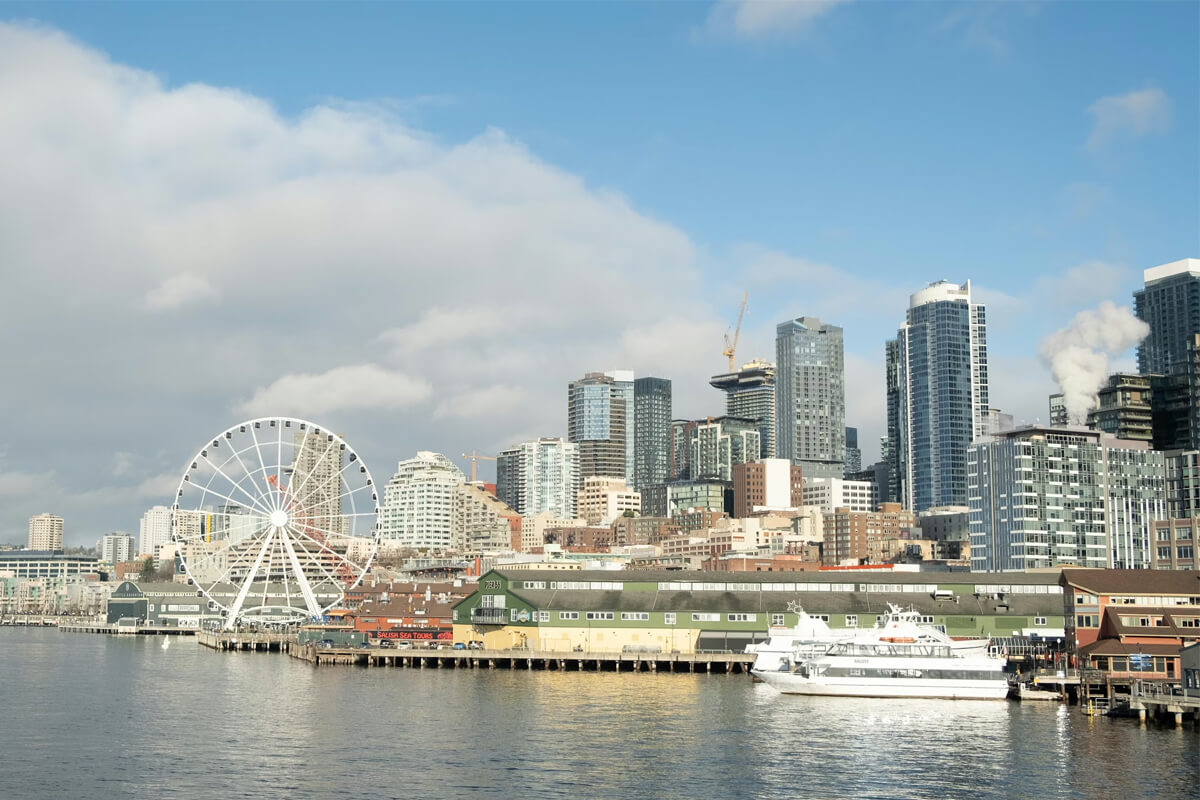
Seattle’s two cruise terminals are not interchangeable from a transportation standpoint. Pier 66 sits on the downtown waterfront. Pier 91 is farther north at Smith Cove and usually takes a little more time from the airport.
That difference is not dramatic on paper, but on a busy cruise day, it matters. If you do not yet know your terminal, confirm it before you reserve your ride. It is one of the simplest ways to avoid an unnecessary timing mistake.
If you are staying downtown before your cruise, Pier 66 may feel a little easier and more compact. If you are coming from SeaTac, Pier 91 usually deserves a little more breathing room. Either way, the terminal itself is only part of the plan. The real issue is matching the route, luggage load, and pickup timing to the day you actually have.
See Also: Can You Make a Same-Day Flight-to-Cruise Transfer in Seattle?
How much buffer makes sense for your situation
The easiest mistake is planning this transfer solely around the drive time. A better approach is to consider how many moving parts your day has before you choose a pickup time.
You will usually want a wider buffer if you are flying in the same day, checking bags, traveling with children, coordinating for older relatives, or bringing heavier cruise luggage. The more handoff points the day has, the less useful a tight plan becomes.
You can usually keep the timing a little tighter if you arrive in Seattle the day before, leave from a downtown hotel, travel with a small group, and can be downstairs and ready when the vehicle arrives.
If you are flying in on embarkation day, this is not the place to build a razor-thin plan. A nonstop domestic flight with carry-on bags is one thing. Connections, checked bags, or international arrivals are another.
That is also where a reserved cruise transfer tends to make more sense. If the day is simple and you are traveling light, you may be comfortable piecing together a cheaper option. If the day includes heavier luggage, tighter timing, or a group that needs clearer coordination, it usually helps to arrange the ride in advance and match the vehicle to the actual plan.
See Also: Sedan, SUV, or Sprinter for Seattle Cruise Transportation?
How Starline helps keep cruise-day timing clear
Once you know where the timing usually gets tight, the next step is making sure the ride is set up around the actual plan, not just the address.
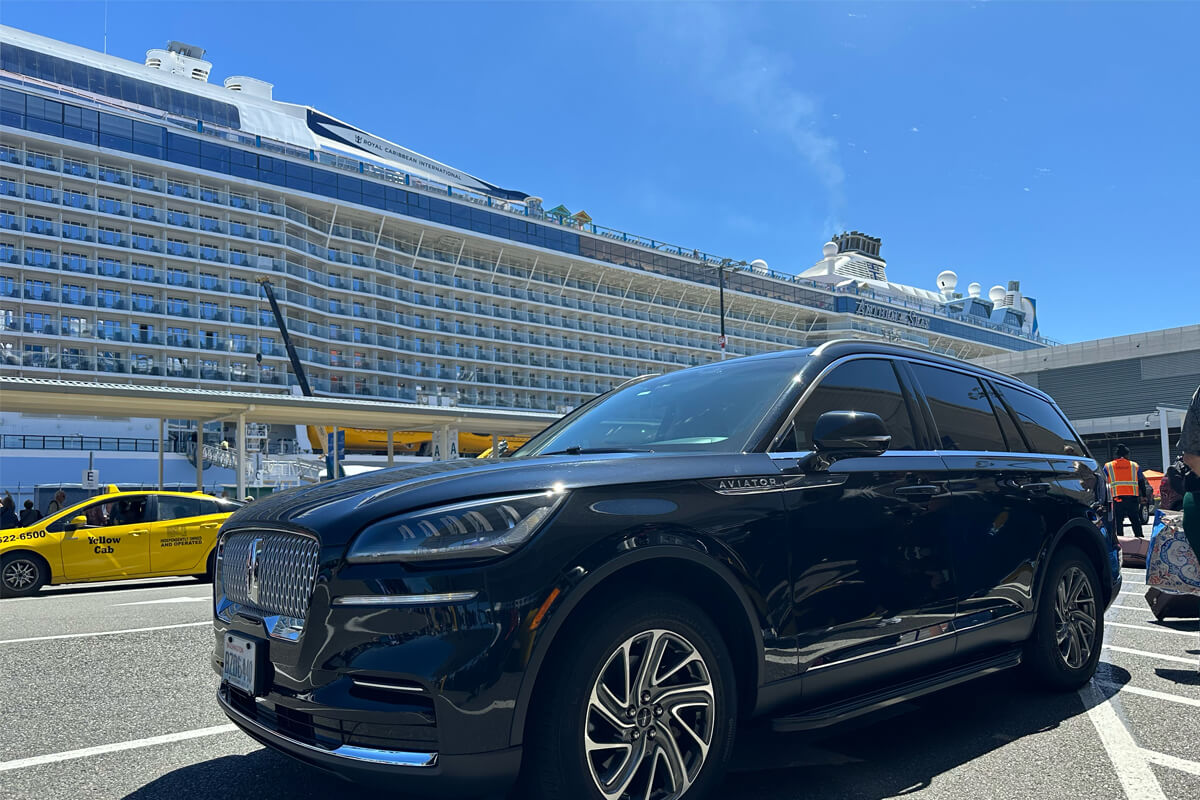
For Seattle cruise port transfers, Starline does not just take a pickup location and send a vehicle. We confirm whether you are heading to Pier 66 or Pier 91, match the vehicle to your group and luggage, and coordinate the pickup differently depending on whether you are coming from SeaTac, a Seattle hotel, or the ship after disembarkation.
That matters because cruise-day timing usually gets tight at the handoff points, not during the drive itself. When the luggage load is clear in advance, and the pickup instructions are handled before the day of service, the transfer is easier to manage.
Starline also includes a 45-minute grace period for SEA Airport and cruise terminal pickups. For hotel departures, the chauffeur reaches out before pickup. For disembarkation pickups, the driver calls ahead and meets you in the loading area once you have your bags. If you are arriving the day before your cruise, it is also common to split the trip into two separate rides: airport to hotel on day one, then hotel to pier on embarkation day.
FAQs
How early should I leave SeaTac for a Seattle cruise terminal?
Do not base it on drive time alone. A practical planning target is often about 90 minutes to 2 hours from landing to terminal arrival for a domestic flight with normal baggage flow. If you have checked bags, children, older travelers, or an international arrival, give yourself more room.
How much time should I allow from a Seattle hotel to Pier 66 or Pier 91?
For many downtown hotel departures, planning around 30 to 45 minutes is a reasonable starting point. That includes more than the ride itself. Elevator delays, bag loading, hotel checkout flow, and cruise-day traffic all affect the timing.
Is Pier 91 farther than Pier 66?
Yes. Pier 91 usually takes a little longer from SeaTac and from many Seattle-area starting points. It is smart to confirm your cruise terminal before finalizing the transfer plan, especially if your timing is already tight.
Should I plan for a longer buffer if I am flying in the same day as my cruise?
Yes. Same-day flight-to-cruise plans usually need a wider buffer because the timing risk is not just the drive. Delays can come from deplaning, baggage claim, getting to the pickup area, traffic, and pier congestion.
What’s next
If you already know your pickup point, cruise terminal, and group size, you can Reserve Online and keep the day moving with less guesswork.
If you want a closer look at how Starline handles Pier 66 and Pier 91 pickups, luggage coordination, and day-of communication, you can review our Seattle cruise port transfer service details before booking.